Facilitation Tools & Methods We Use
Below is a sampler of our facilitation tool kit. To see these tools in action, browse our growing library of real-world case studies where they've moved the needle on strategy, culture and performance.

Large-Group Collaboration & Visioning
“We need whole-system buy-in.”

- Open Space Technology – Ideal when passion and self-organization matter more than top-down structure. Great for innovation, retrospectives, or complex challenges. See how Open Space works
- Value Stream Mapping – A visual walk through how work actually flows from request to delivery, so the whole group can see delays, handoffs, and rework and agree where to improve first. See how value stream mapping works
- World Café – A lightly structured, highly social process that gets people from different groups into meaningful dialogue and cross-pollination. See how World Café works
- Human Constellations – A quick, embodied method to gauge how the room feels about an issue, where the center of gravity is, and what needs attention.
- Ecosystem Mapping – A visual map of the players, partners, and value exchanges around your business, so the group can see interdependencies and spot collaboration opportunities across business lines. See how ecosystem mapping works
Strategy & Goal-Setting
“Help us point everyone in the same direction.”

These tools help teams clarify purpose, align around what matters most, and turn lofty vision into tangible action:
- Objectives and Key Results (OKRs) – A simple but powerful framework that translates big-picture vision into quarterly, measurable outcomes that individuals and teams can own.
- “Start with Why” Workshop – Based on Simon Sinek’s Golden Circle model, this session helps teams articulate a shared purpose that inspires action and aligns decisions.
- Playing to Win Canvas – A structured conversation based on Lafley & Martin’s strategy framework, guiding teams through where to play and how to win in their space.
- Individual Goal-Setting (Self-Authoring) – Adapted from the Self-Authoring Suite, this exercise prompts each person to write a “future-self” narrative, turning personal clarity into intrinsic motivation.
- Bringing Down the Vision – A guided visualization that treats your organization as a living being. What does it eat, breathe, need? Surfaces deep insights into purpose and reveals blind spots in strategy.
- Polarity Mapping – Helps teams move beyond either/or debates by showing how to manage the tension between two values or approaches over time.
- Team Hackathon – Teams self-organize around priority work streams, write a one-page charter, then build in short cycles with a review and retro after each, so the retreat ends with usable work instead of a list of ideas.
- Business Opportunity Lab – Divisions shop early ideas at market stalls, develop the strongest into opportunity briefs, then pitch them to a leadership panel that invests play money in the ones most likely to create value.
- Story Mapping – The group builds a multi-year roadmap together on the wall, sequencing priorities across the cycle and shaping what year one looks like.
Team Formation & Working Agreements
“We’re a new or re-shuffled team—let’s set ourselves up right.”

- New-Team Kick-off – A fast-paced facilitation that gets alignment on purpose, norms, roles, and a few quick wins to build momentum.
- High-Dream / Low-Dream – A light structure for surfacing individual hopes and fears, so the team can name shared aspirations and concerns together.
- Designed Team & Leader Alliances – A process for co-creating the team’s “rules of engagement,” including how you’ll handle conflict, decisions, and change.
- String Exercise – A visceral group activity that demonstrates interdependence and the reality of invisible connections in systems. Great for Day 1 energy.
- Values Clarification Through Story – Instead of choosing values from a list, people share real moments when the organization was at its best, felt off, or held its ground, and the group names the values those stories reveal.
- Psychometric Assessments – We use Everything DiSC® to give teams a shared language for work styles and communication, and the Maturity Assessment Profile (MAP) to show where leaders are in their vertical development. See how a DiSC workshop runs or how the MAP works
- My Lands – Each person maps and shares who they are beyond their role, building genuine connection, especially when new leaders join an established team.
- Five Dysfunctions of a Team – Based on Patrick Lencioni's model, the team assesses trust, conflict, commitment, accountability, and results, then builds an action plan for its biggest gap.
Communication & Conflict Skills
“We talk past each other—or not at all.”

- Team Toxins Grid – Based on Gottman's research in human communication, it helps teams name toxic patterns (blame, defensiveness, stonewalling, contempt) and build a shared agreement for handling tough conversations. See how the Team Toxins exercise runs
- Alignment Coaching – A facilitated process that transforms polarized stances into shared problem-solving.
- Deep Democracy – A set of methods for surfacing and honoring marginalized perspectives before a decision is made.
- Thomas-Kilmann Conflict Modes – Shows people their default response to conflict across the model's five modes, then builds the skill to choose the mode a situation actually needs.
- Organizational Lands Work – An empathy-building experience that explores “where” different people or departments are coming from, literally and figuratively. See how a Lands session runs
- 2% Truth / Partner-as-Mirror – A lightweight but powerful way for people to give each other honest feedback in a non-threatening way.
- Responsibility Process – Christopher Avery's model of how people move from denial and blame toward ownership, helping teams notice where they get stuck and choose responsibility.
- Nonviolent Communication – Marshall Rosenberg's framework for honest, non-blaming conversations, practiced through role-plays drawn from the team's real situations.
- Negotiation Skills – Live role-plays with coaching between rounds, built on Chris Voss's Never Split the Difference: mirroring, tactical empathy, and getting to “no.”
Roles, Structure & Clarity
“Who’s doing what? We keep stepping on toes.”
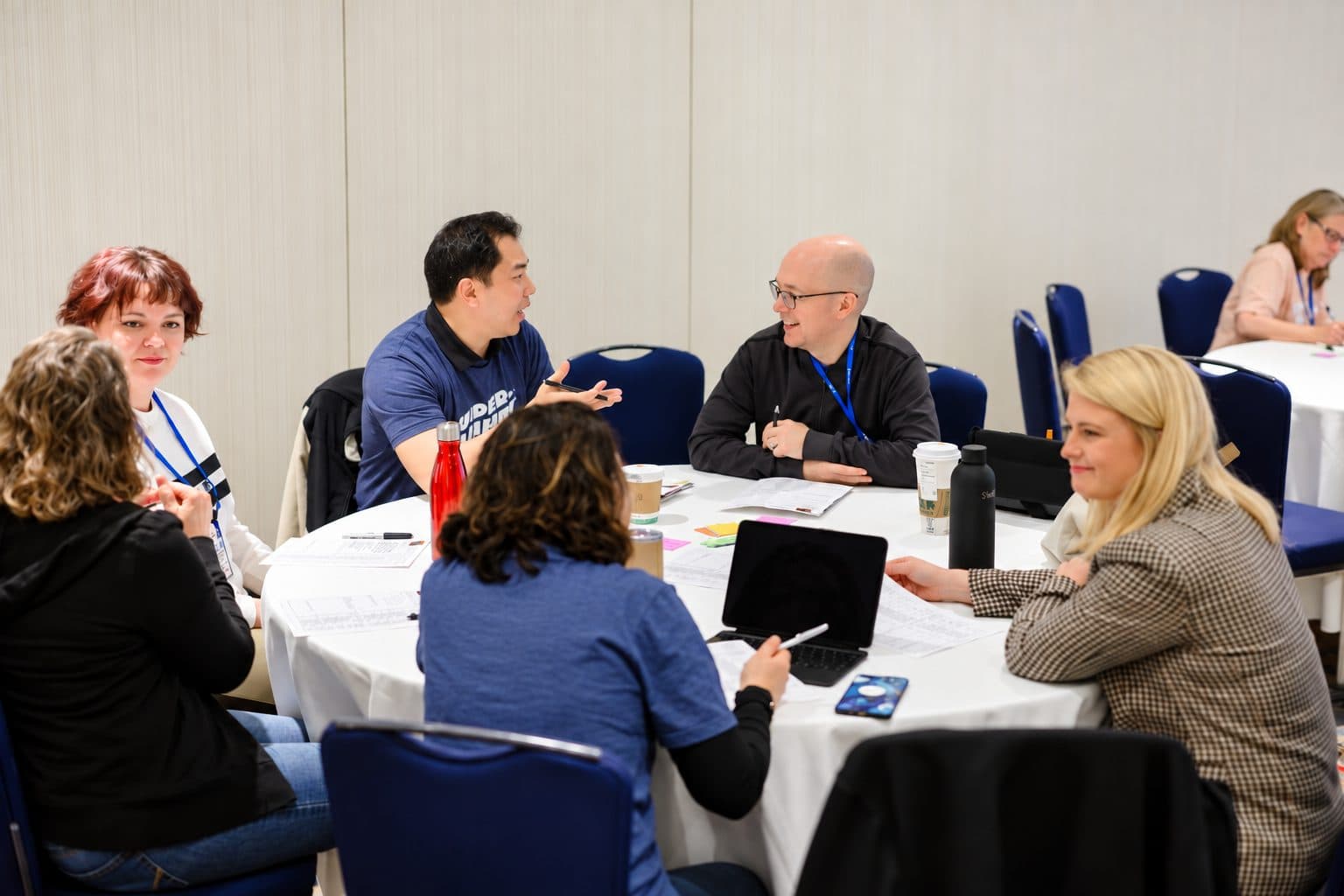
- Outer / Inner Roles Mapping – Helps teams differentiate between visible, task-oriented roles and the emotional/relational roles people often play unconsciously.
- Secret Selves / Ghost Roles – Reveals unspoken identities or “invisible players” that are shaping team behavior, like past leaders, founders, or internalized roles.
- Paper Constellations – A tabletop mapping exercise where people place paper markers to show roles and relationships, revealing overlaps, gaps, tensions, or alliances that might be hard to articulate with words alone.
- Decision Rights & Escalation Mapping – Teams map routine decisions, recurring requests, and escalation points, then agree who owns what, when approval is needed, and how issues get raised early.
Change-Readiness & Culture Shifts
“We’re in flux—help us move without losing our soul.”

- Leapers, Bridge-Builders & Tradition-Holders – A fast, insightful exercise that helps people self-identify their natural response to change, and understand each other's styles. See how the change styles exercise runs
- Manage Change Workshop – We combine multiple ORSC tools here (like Force-Field Analysis, Edge Work, and MetaSkills) to help teams move through transition consciously.
- Edge Work & Double-Signals Lab – Practical skill-building around how to notice and work with moments where mixed messages and ambivalence show up.
- Myth → Myth-Change Process – A facilitated rewrite of the team’s “origin story” or internal narrative, to support a new chapter in culture or identity.
Positivity & Engagement
“Energy is low—rekindle excitement.”
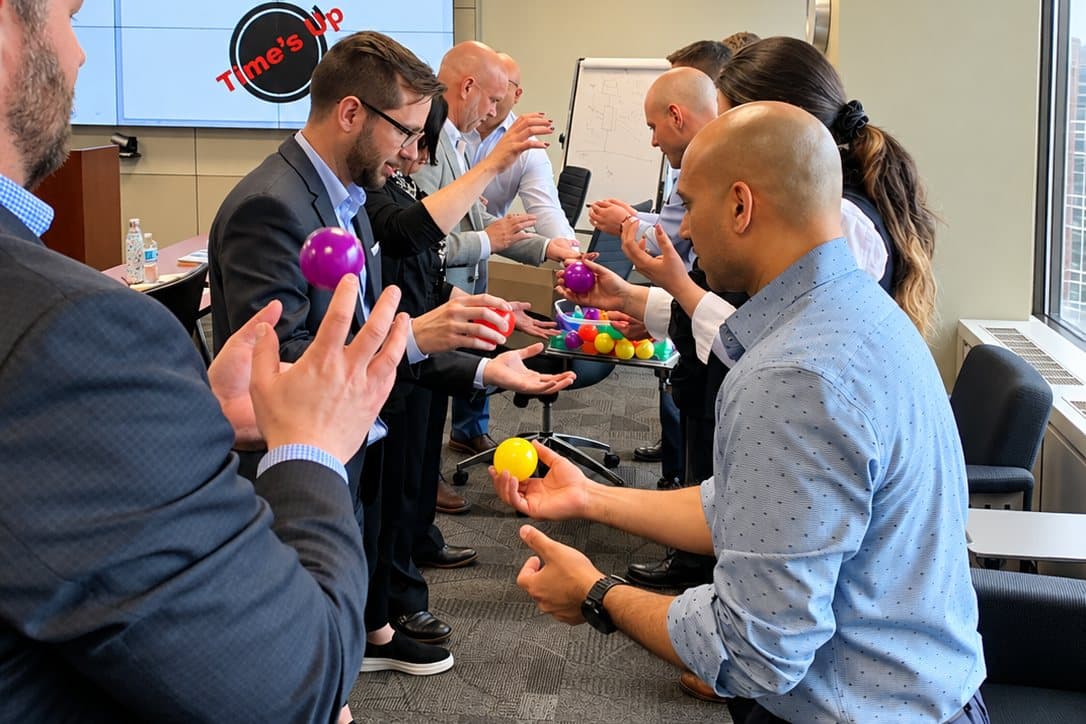
- Appreciation Loop – A structured but fast activity where teammates express appreciation in a way that builds trust, resilience, and energy.
- Relationship Myth – Brings people back to the origin story: what made us want to work together in the first place? Often reveals core values worth reawakening.
- 4 Abodes – A beautiful team exercise that invites compassion, joy, equanimity, and loving-kindness into the emotional field.
- High-Dream / Low-Dream Reset – Reconnects people to their shared vision and explores how the team can behave in a way that’s congruent with it.
- Quantum Flirts – A playful method for paying attention to small, strange moments—what the system might be trying to tell us beneath the surface.
- Appreciative Inquiry Summit – A whole-system event that builds on what’s already working to design what’s next, used for strategy, culture change, or reorgs.
Talks & Keynotes
“Set the tone and get everyone talking.”
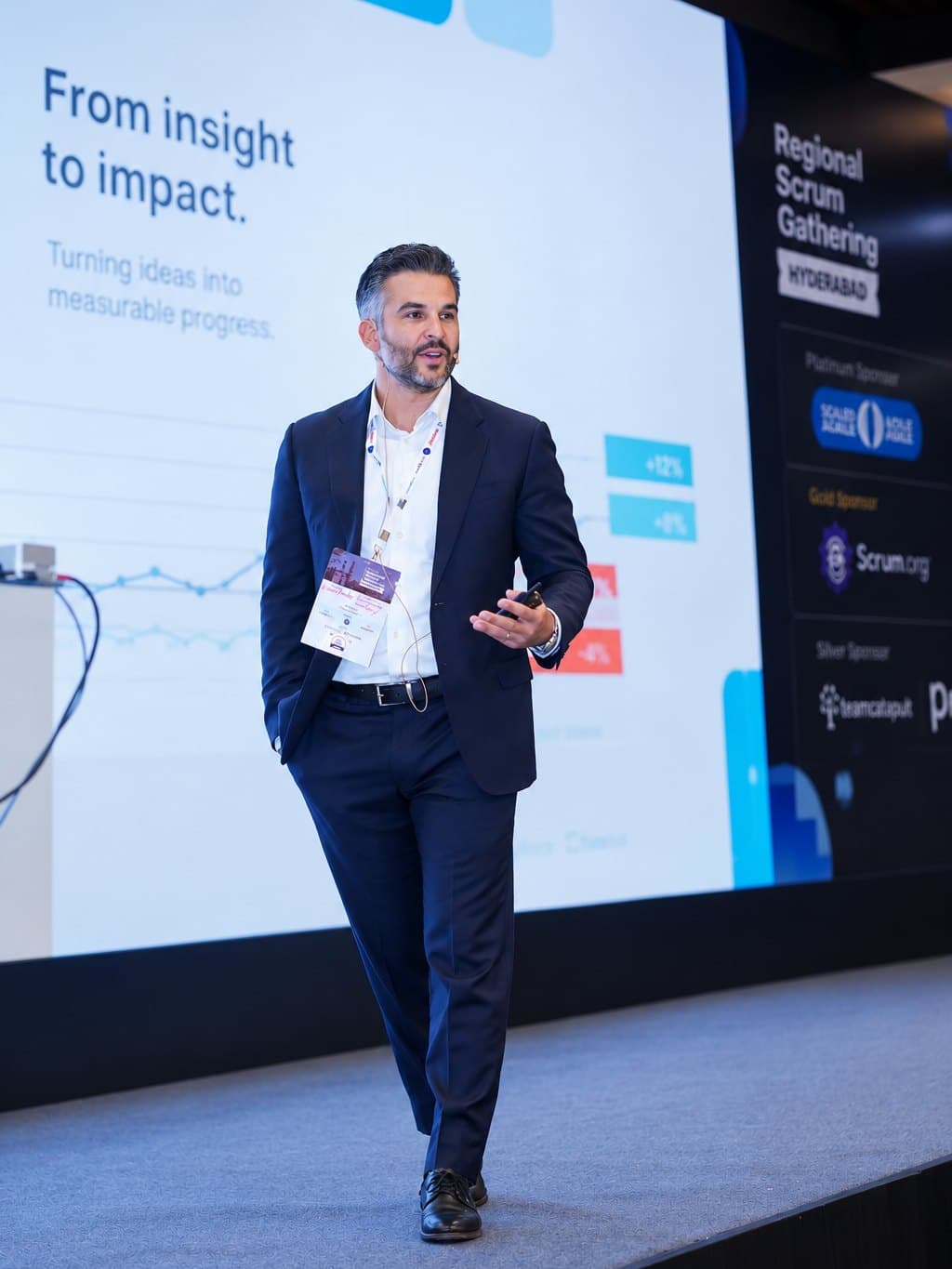
- Keynotes Tailored to Your Event – We're happy to open your day with a talk chosen from a range of topics and shaped to fit your event's theme, audience, and goals.
- Celebrity Interview – A moderated, podcast-style conversation with your leaders. Participants submit candid questions, so the room hears the strategy and the people behind it without a presentation-heavy morning.