Facilitation method
Open Space Technology
A meeting that starts with one important question and an empty wall. The people in the room build the agenda, host the conversations, and decide where their time is best spent.
- Group size
- Groups of 40 to 400
- Length
- Half a day to two days
- Best for
- Complex questions where the answers are spread across the room
- You leave with
- Notes from every session and, on longer events, a roadmap with owners
One question.
Everyone’s agenda.
Harrison Owen developed Open Space in the 1980s after noticing that the most useful part of many conferences happened during the coffee breaks.
Open Space gives a group that same energy on purpose. There is a clear theme, a wall for posting topics, and the freedom to move between conversations. Participants propose the topics that matter most, create a shared agenda, and join the conversations where they can best contribute.
It sounds loose. In practice it is carefully held. The facilitator sets the conditions, protects the structure, and makes sure every conversation is captured, so the group’s best thinking leaves the room with it.
How it works
How a day in Open Space unfolds

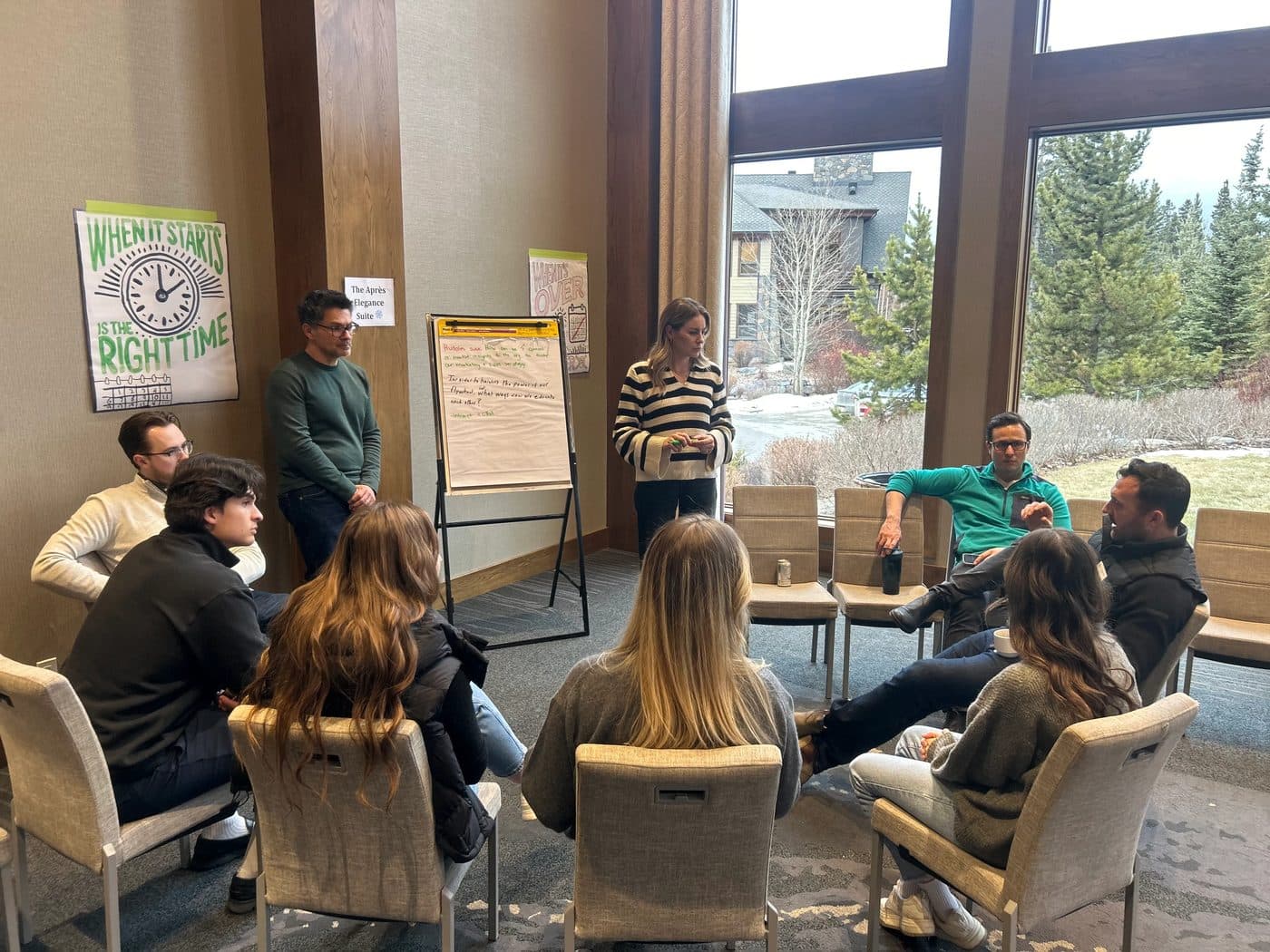
Sit in a circle
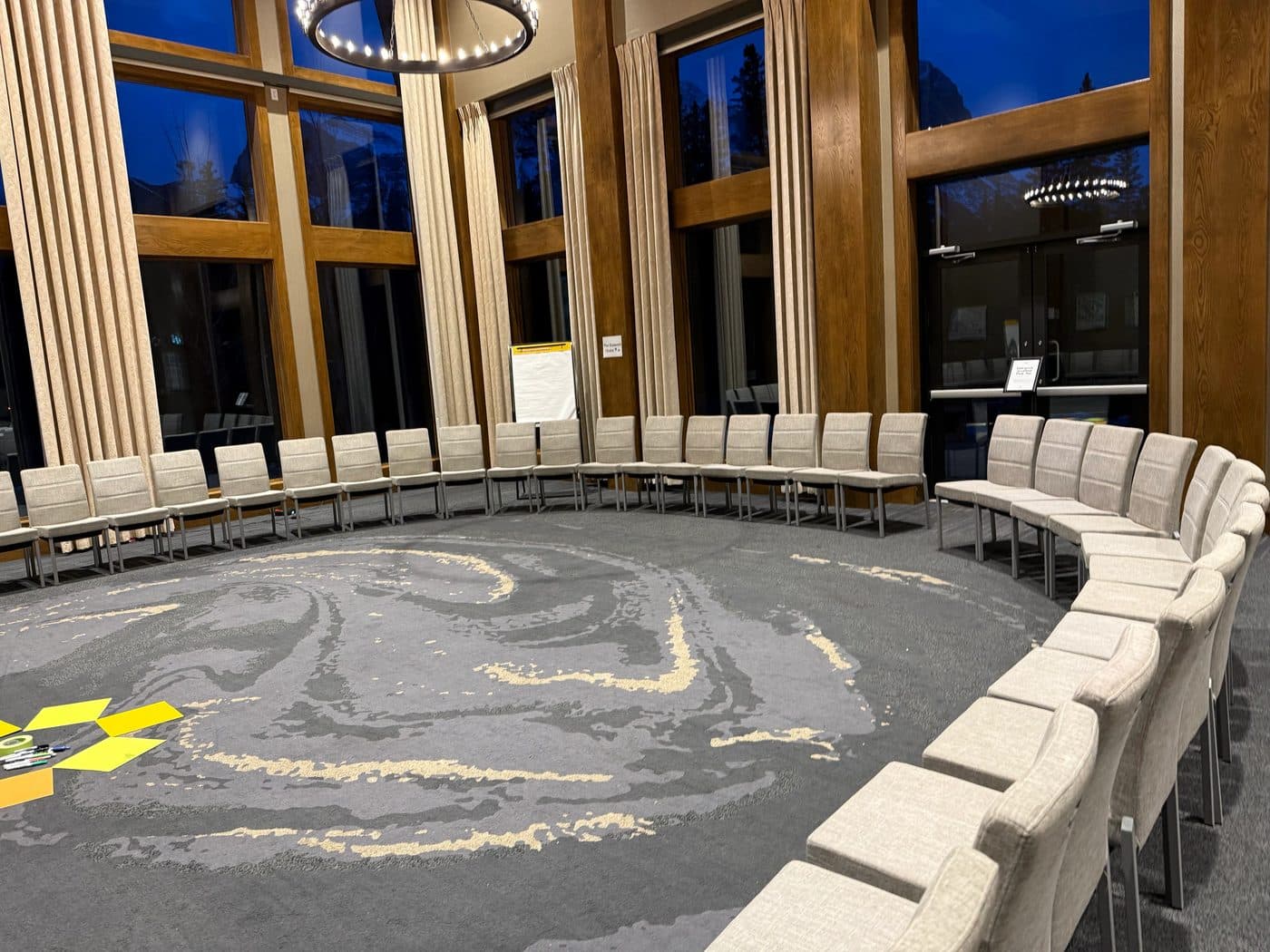
Everyone starts in one large circle of chairs, with no tables and no stage. The sponsor names the theme as a single question, something like “How can we work better across our functions?”
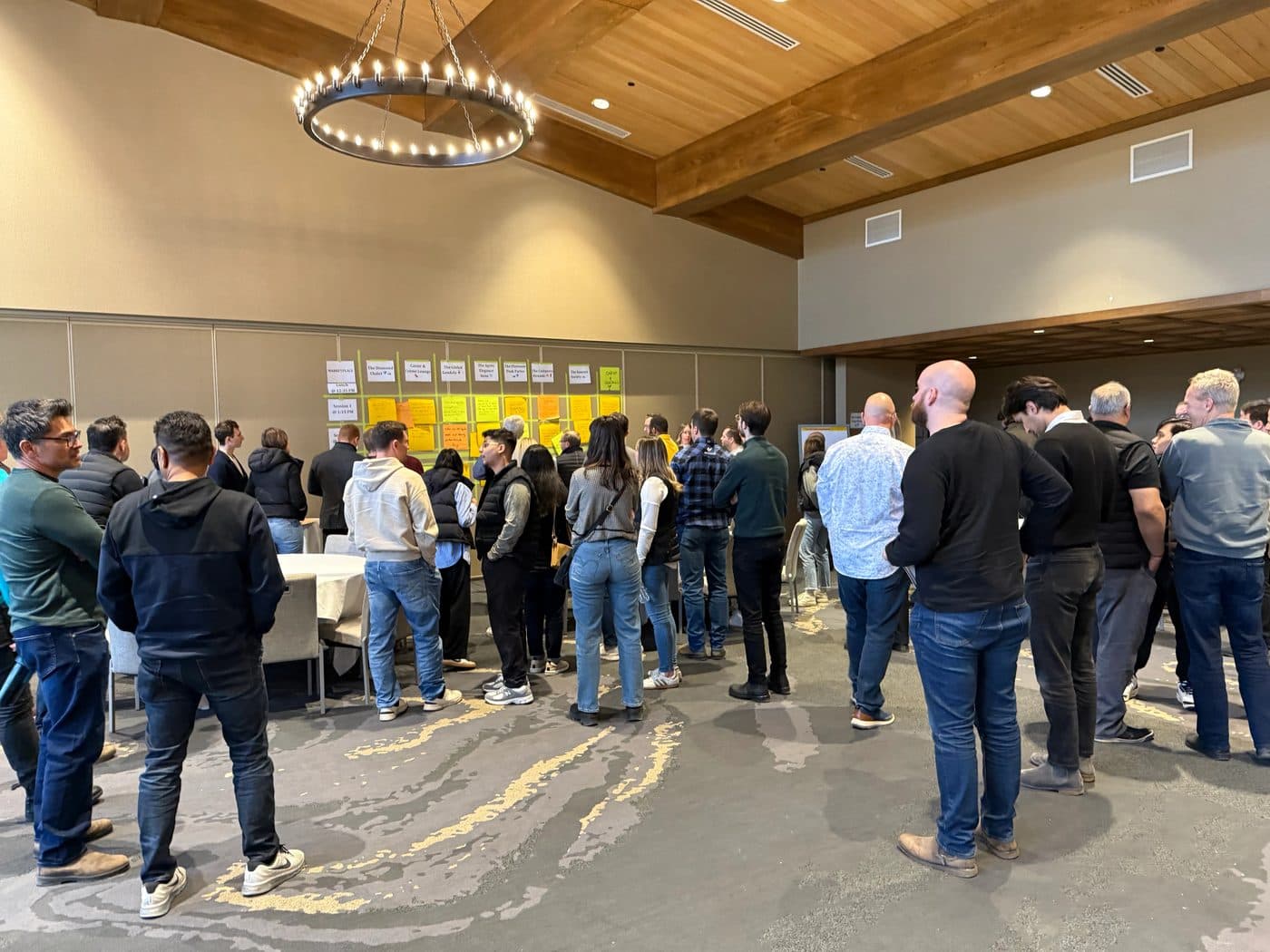
Open the marketplace
Anyone who cares about part of the question writes a topic on a sheet, says it out loud, and posts it on the agenda wall with a time and a place. In about half an hour, the group has built its own agenda.
Join the conversations
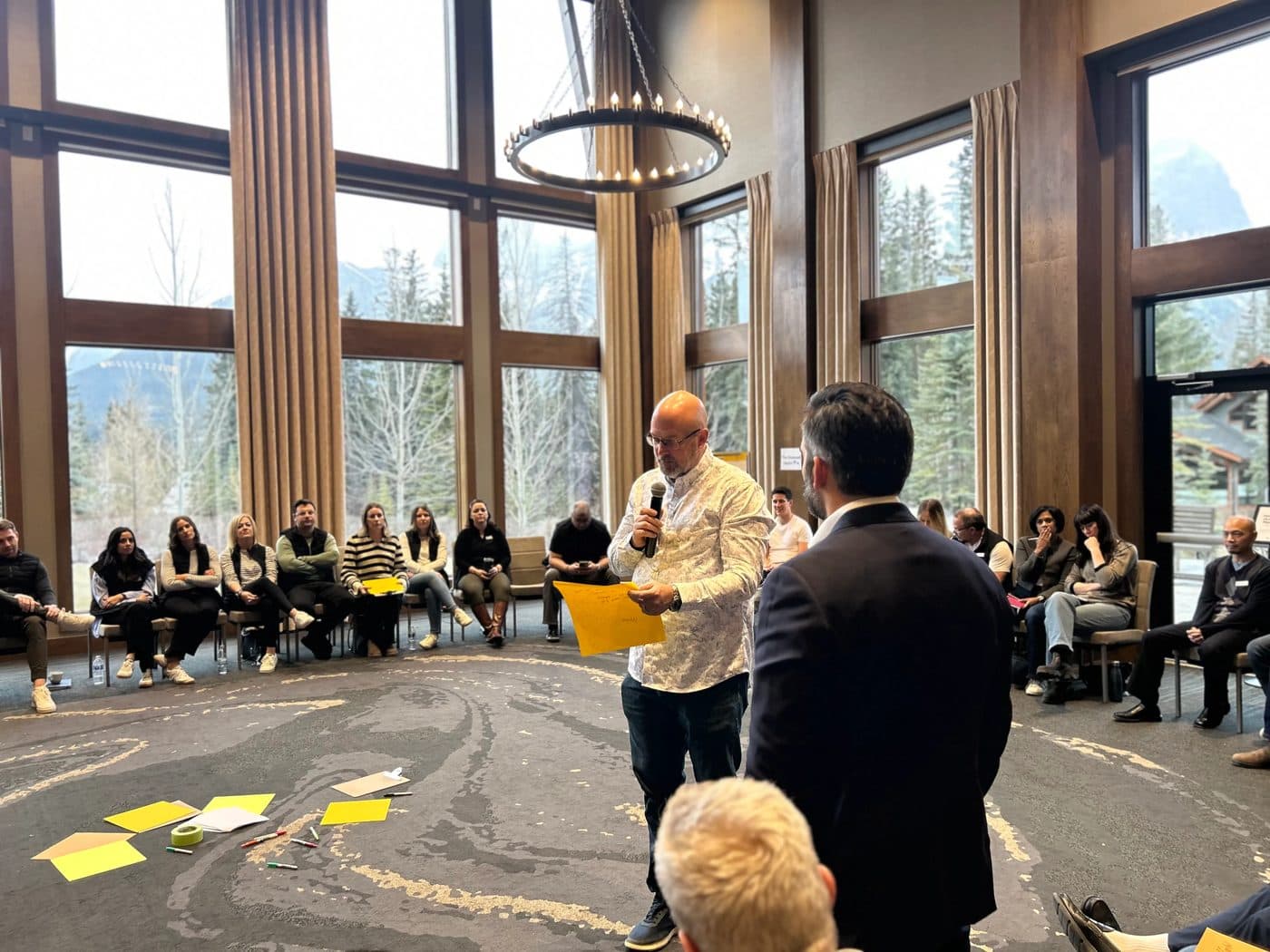
Sessions run in parallel rounds. Whoever posted a topic hosts it, and someone captures what the group discusses. People choose the sessions where they can learn or contribute, and they are free to move.
Harvest what emerged
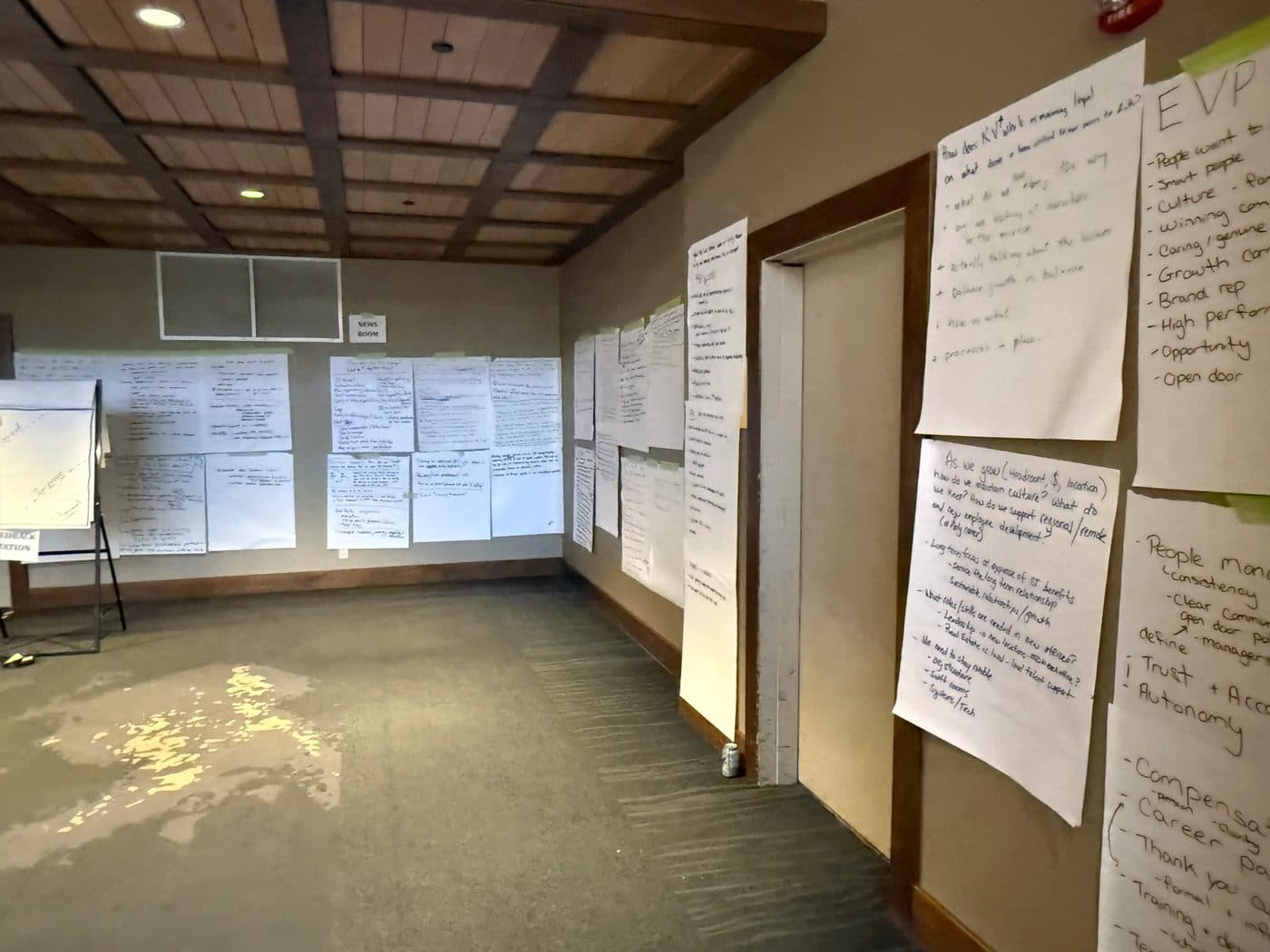
Notes from every session go up on the wall for everyone to read. In a closing circle, people share what surprised them and what they want to carry forward.
Turn ideas into a plan
On a second day, conveners present their opportunity briefs. The group weighs trade-offs, sets priorities with a limited budget, and builds a roadmap with named owners, first steps, and review points.
Two-day events
The spirit of the space
Four principles and one law
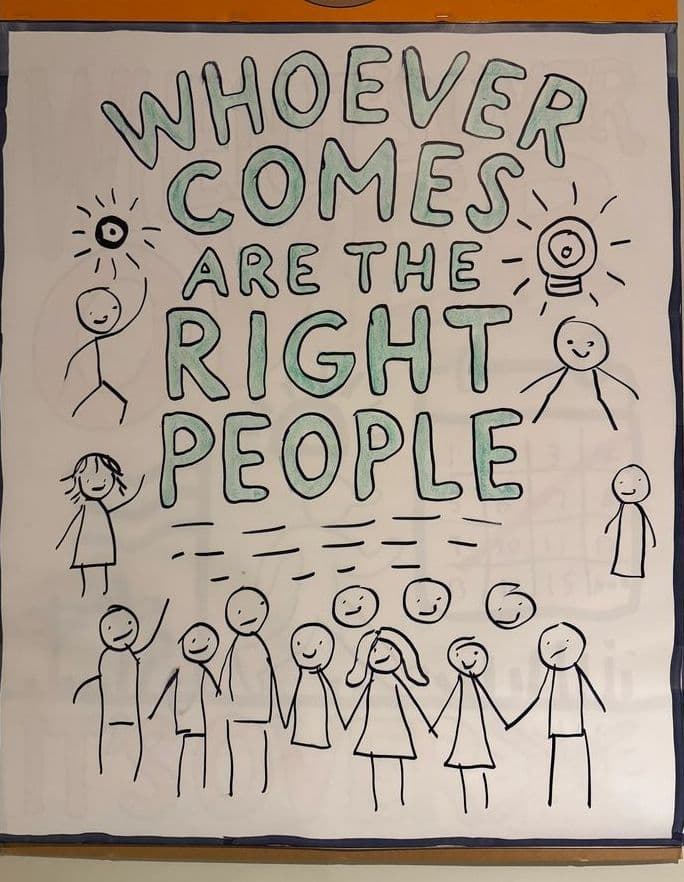
Open Space runs on a few simple agreements. We draw them by hand and hang them around the room, because they quietly change how people show up.
Whoever comes are the right people
The people who care about a topic are the ones who show up. Three committed people can do more than thirty who were told to attend.
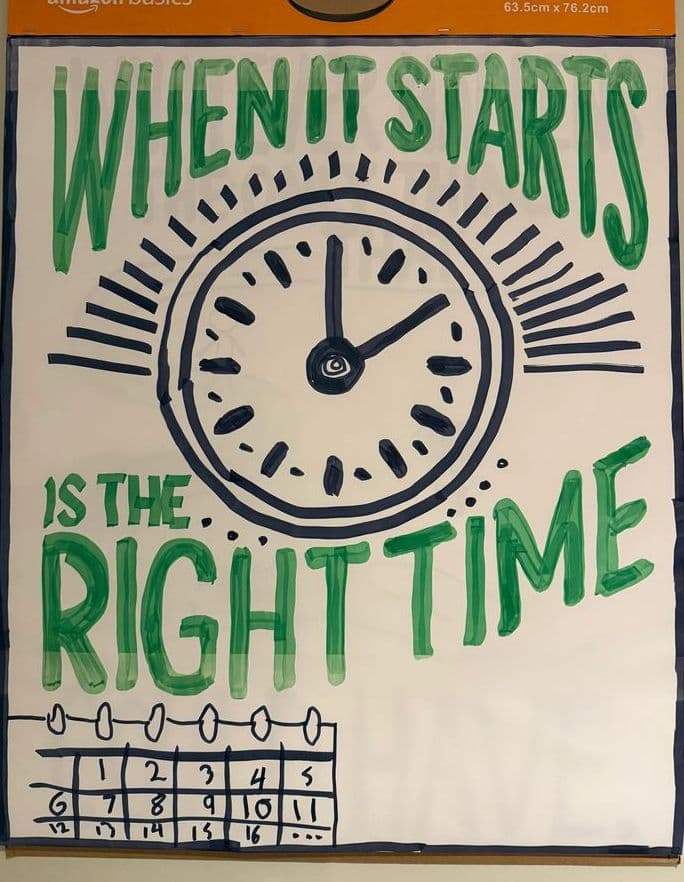
When it starts is the right time
Good conversations don’t wait for a bell. They start when the group is ready, not when the clock says so.
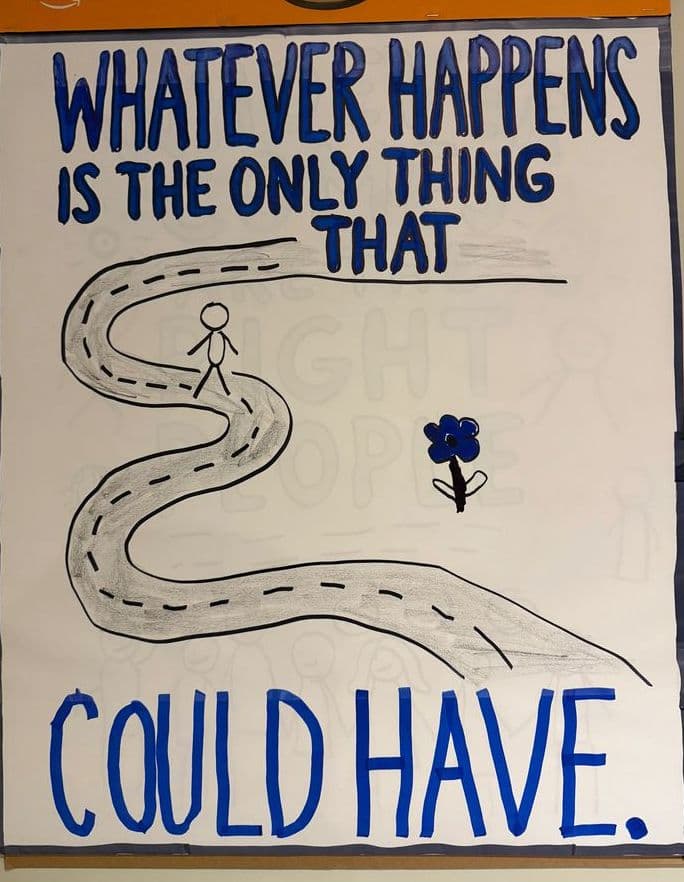
Whatever happens is the only thing that could have
Let go of what you expected and work with what is actually happening in the room.
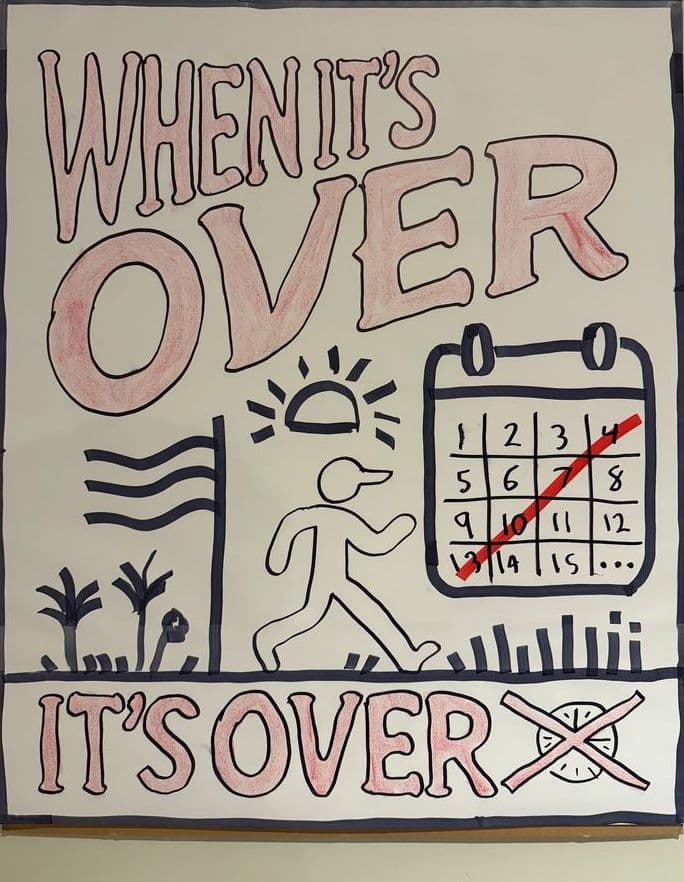
When it’s over, it’s over
If a conversation finishes early, move on. If it’s still alive, keep it going.
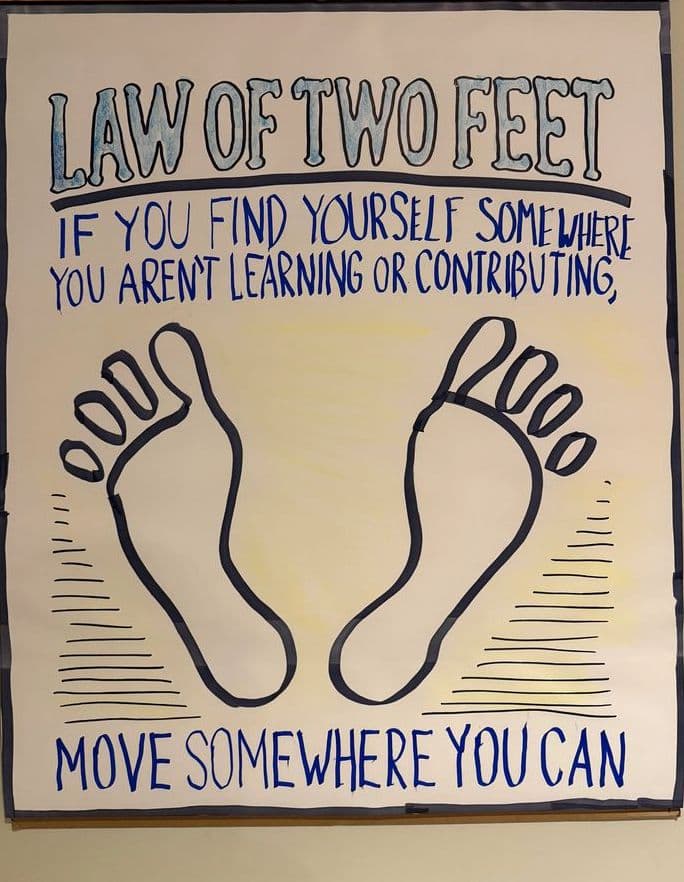
The Law of Two Feet
If you find yourself somewhere you aren’t learning or contributing, move somewhere you can. It is the one rule, and it makes everyone responsible for their own experience.
Bumblebees
Some people move from session to session, carrying ideas between groups and cross-pollinating them.
Butterflies
Others drift off to the side. Some of the best conversations of the day start with them.
Why it works
Why groups leave with energy
People work on what they chose
Every session exists because someone in the room cared enough to host it. That is where the energy comes from.
Quieter voices get in
Small groups, time to reflect, and open invitations help people who rarely speak up in a large meeting.
The whole system is in the room
Conversations across functions surface dependencies and opportunities that no single team could see alone.
Open Space fits when
- The question is important, complex, and open
- Knowledge is spread across many people and functions
- You want ownership and connection across teams, not just buy-in
- Leaders are willing to let the group choose where to focus
Choose another format when
- A decision has already been made and only needs to be announced
- One authority must deliver a single, bounded answer
- There is no plan or owner to act on what the group produces
Sponsors still own the mandate, the resources, and the final decisions. Open Space gives them a clearer picture of the system and a group that is ready to act.
Case study
See it in action
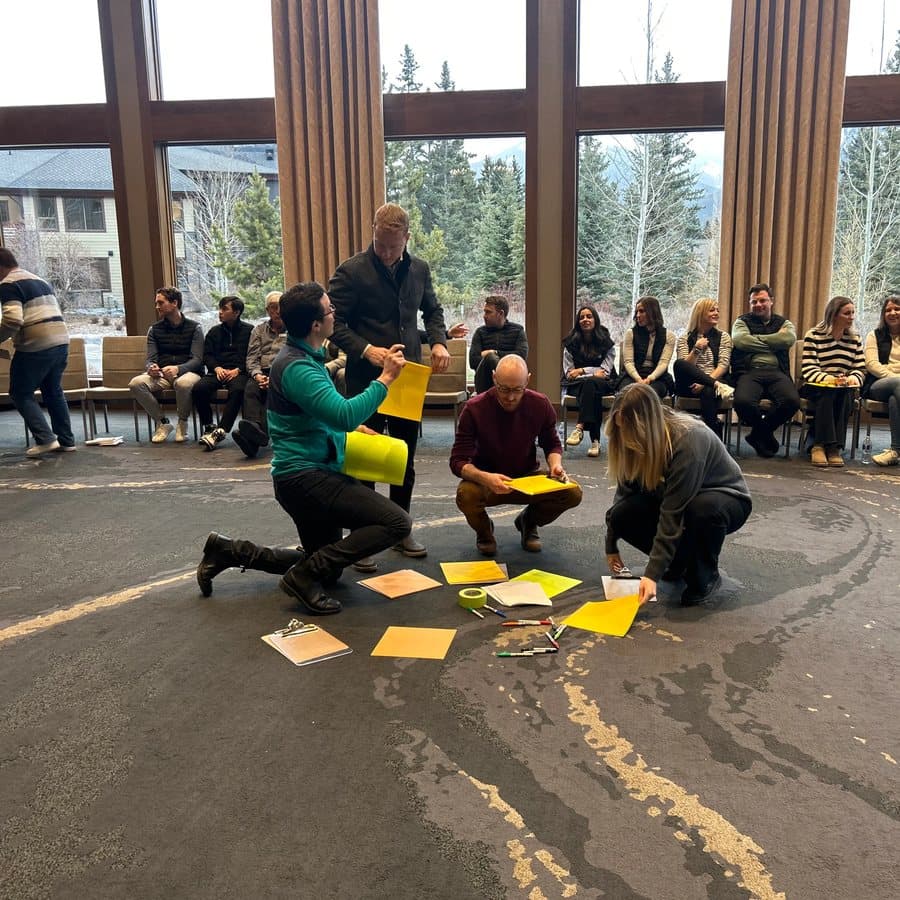
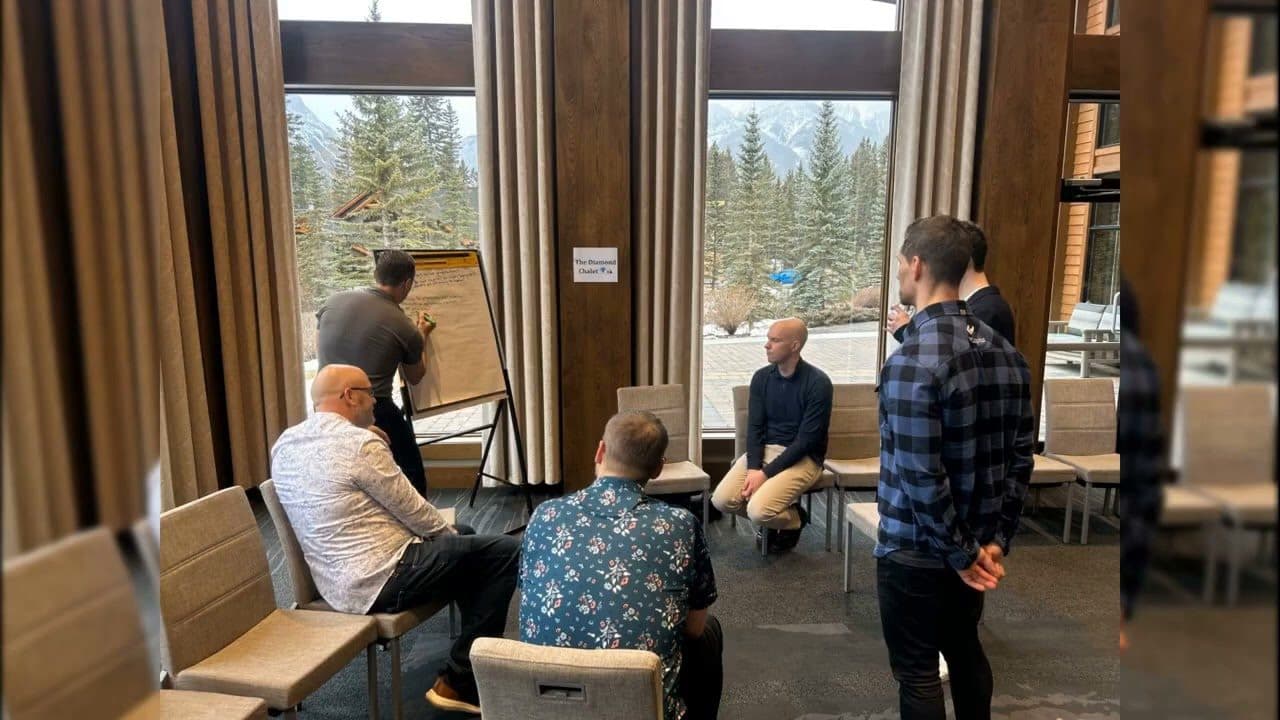
A full-day vision alignment retreat for a Western Canadian financial services firm in Canmore, Alberta. 65 professionals connected to the company’s 2030 vision through a moderated leadership Q&A, a Vision Pair Shuffle, and three rounds of Open Space.
Sample agenda
A two-day flow
We tune the theme, timing, and flow with you. Shorter versions run in half a day or a full day.
Participant-led working time
Day 1Explore
- 10:00Sponsor welcome and working agreements
- 10:30High-energy icebreaker
- 10:45Open Space marketplace
- 11:15Session round 1
- 12:45Session round 2
- 1:45Session round 3
- 2:30Group harvest and closing circle
Day 2Converge
- 10:00Welcome and Day 1 reflections
- 10:15Opportunity brief presentations
- 11:00Questions and refinements
- 11:30Buy-a-Feature prioritization
- 1:00Implementation breakouts
- 1:45Team commitments
- 2:30Sponsor wrap-up and next steps
What you leave with
More than a good conversation
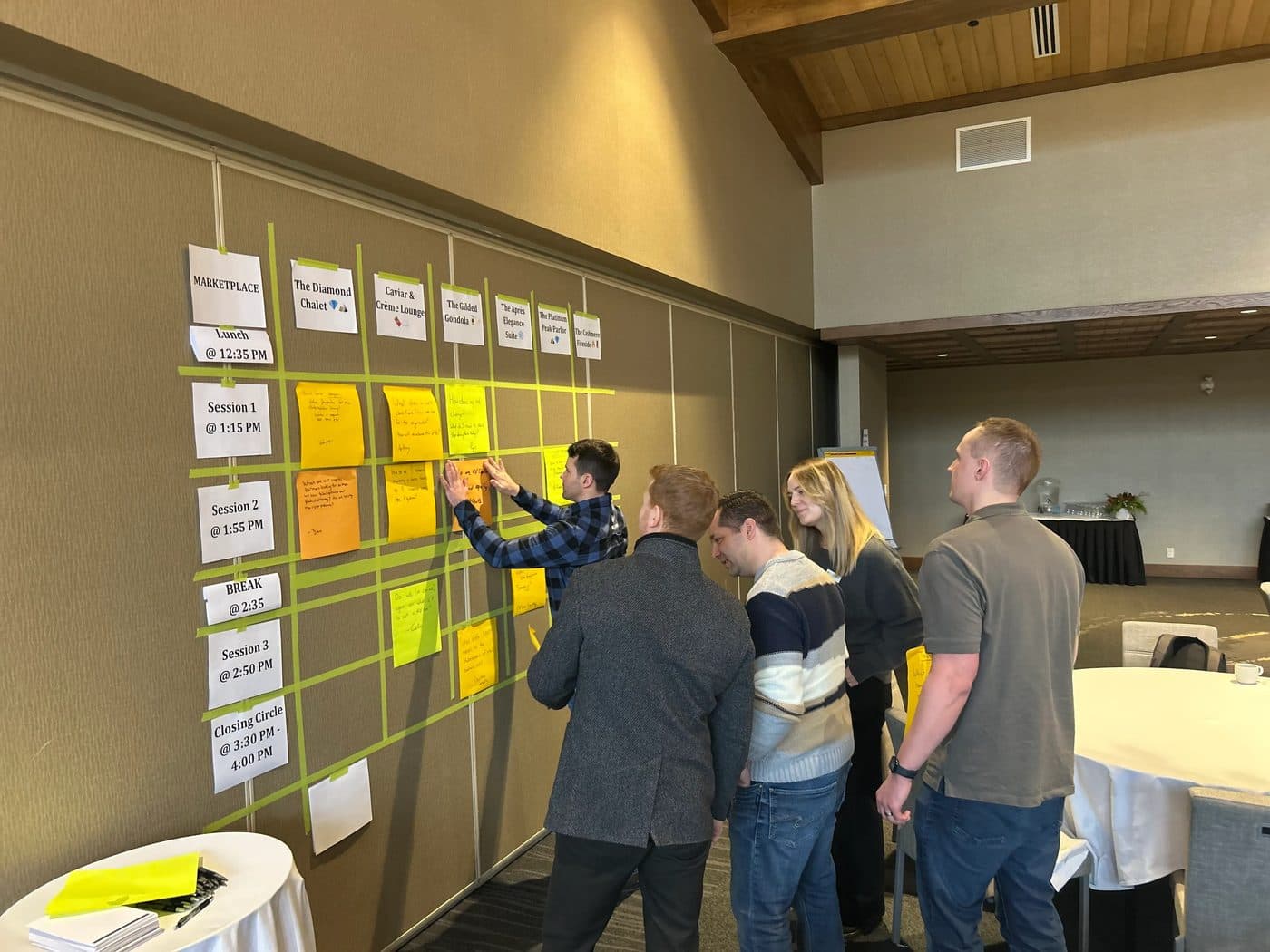
An agenda built by the group
Focused on the topics with the most energy and relevance for the people in the room.
Notes from every session
Captured as the conversations happen and shared so the learning spreads across the whole group.
Opportunity briefs
Each one describes an issue, a proposed improvement, its expected benefit, and the decisions or support it needs.
A roadmap with owners
On two-day events, priorities leave with named owners, first steps, measures, and review points.
A summary report
We send a concise write-up of the themes, briefs, and next steps after the event.
Questions we often hear
How long does it take?
A focused version runs in half a day. A full day allows three rounds of sessions and a proper harvest. Two days adds time to prioritize and build a roadmap.
What does the room need?
One open space large enough for a circle of chairs, a long wall for the agenda, and a few nearby areas for breakout conversations. Outdoor spaces work well too.
What if leaders need a specific outcome?
Open Space is built to explore. It surfaces everything the group needs to talk about. When leaders need a specific outcome, we pair it with convergence methods that turn those ideas into usable strategies, priorities, and a roadmap with owners. The sample agenda above does exactly that on its Converge day. Leaders still set the theme and say what is open, what is fixed, and what is out of scope.
Can it be combined with other methods?
Yes. We often open with a leadership conversation such as a Celebrity Interview, and we have paired Open Space with ecosystem mapping and value stream mapping. We also combine it with ways to converge, such as opportunity briefs and Buy-a-Feature prioritization, so the conversations become meaningful actions.
Considering Open Space for your next event?
Tell us about your group and the question on the table. We’ll tell you whether Open Space fits, and design the day with you.
Book a discovery call