Facilitation method
Organizational Lands Work
Every perspective on a team is a land with its own culture, views, and weather. In this exercise, people travel to each other’s lands and see the team through someone else’s lens.
FUSE Facilitation Boarding pass
- Passengers
- Everyone on the team
- From
- Your land
- To
- Every other land
- Flight time
- 1–3 hours
- Gate
- Open floor and painter’s tape
- Baggage
- Leave your views at home
Admit one
New perspective
What is Organizational Lands Work?
Organizational Lands Work is a facilitated exercise that helps a team see the world through each other’s lenses, using the metaphor of each perspective as a land with its own culture, views, and atmosphere.
Holding the idea that each of us lives in our own world lets the group skip the argument about what is true. Instead, people get respectful and curious about the other person’s experience, learn from it, and start to appreciate their differences.
We don’t expect or want everyone to think or act the same all the time. But we do need to recognize where each person is coming from. And a by-product of understanding each other’s perspectives is that it becomes a lot easier to trust one another.
Drawing the borders
Choose the lands
Before the day, we decide with you which perspectives get a land. Each one needs at least one resident, and one land always stays empty so there is somewhere to travel.
By tenure
Three years or moreNew team membersThe manager
By role or level
Front lineManagersExecutives
By team
SalesOperationsFinanceDelivery
By stakeholder
GovernmentFundersResearchersPatients
The itinerary
Eight stamps in your passport
Step 1: Lay down the lands
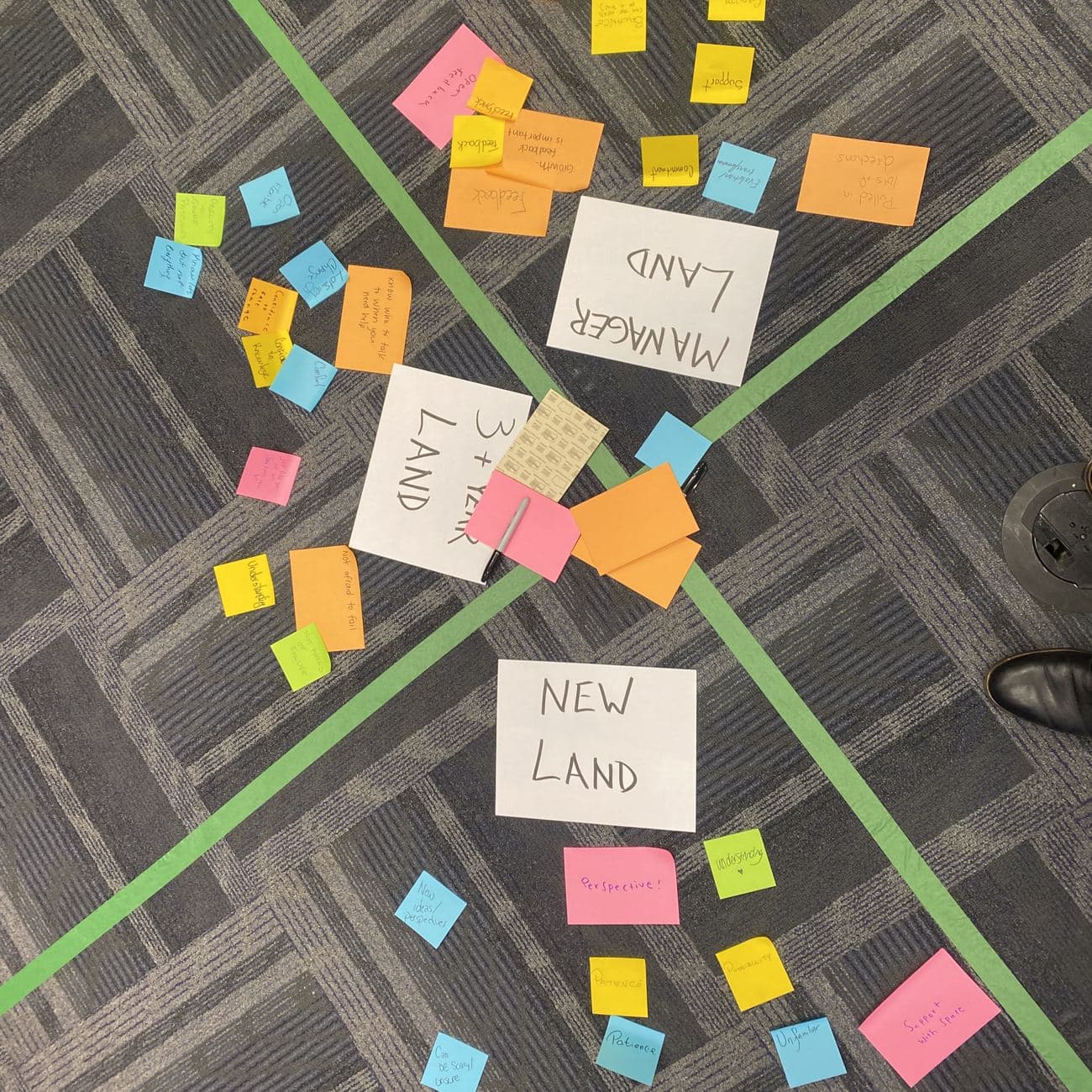
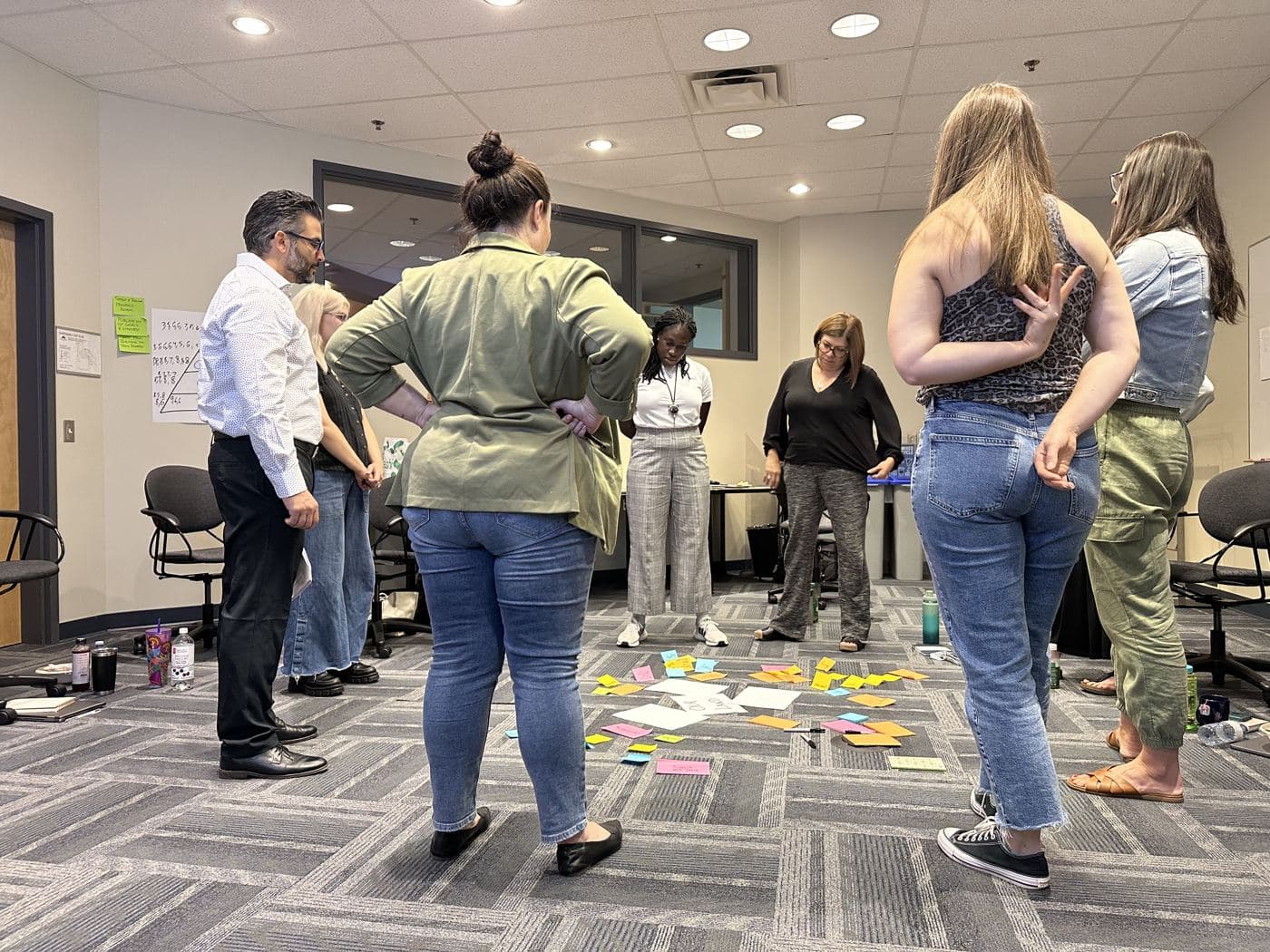
Painter’s tape divides the floor. Each land gets a card with its name, and one land stays empty for travelers.
Step 2: Stand in your land
Everyone steps into the land they belong to today.
Step 3: Interview the residents
We gather a few sound bites from each land about what they love, what drives them, and what is hard.
Step 4: Travel to another land
The residents step into the empty land. Everyone else travels into theirs, shedding their own biases on the way.
Step 5: Interview the visitors
Visitors answer as if they lived there. What does it feel like? What are the pressures? What support is needed?
Step 6: Ask the residents
What was it like to hear others talk about your land? What did they get right? Was anything missed?
Step 7: Declare what matters
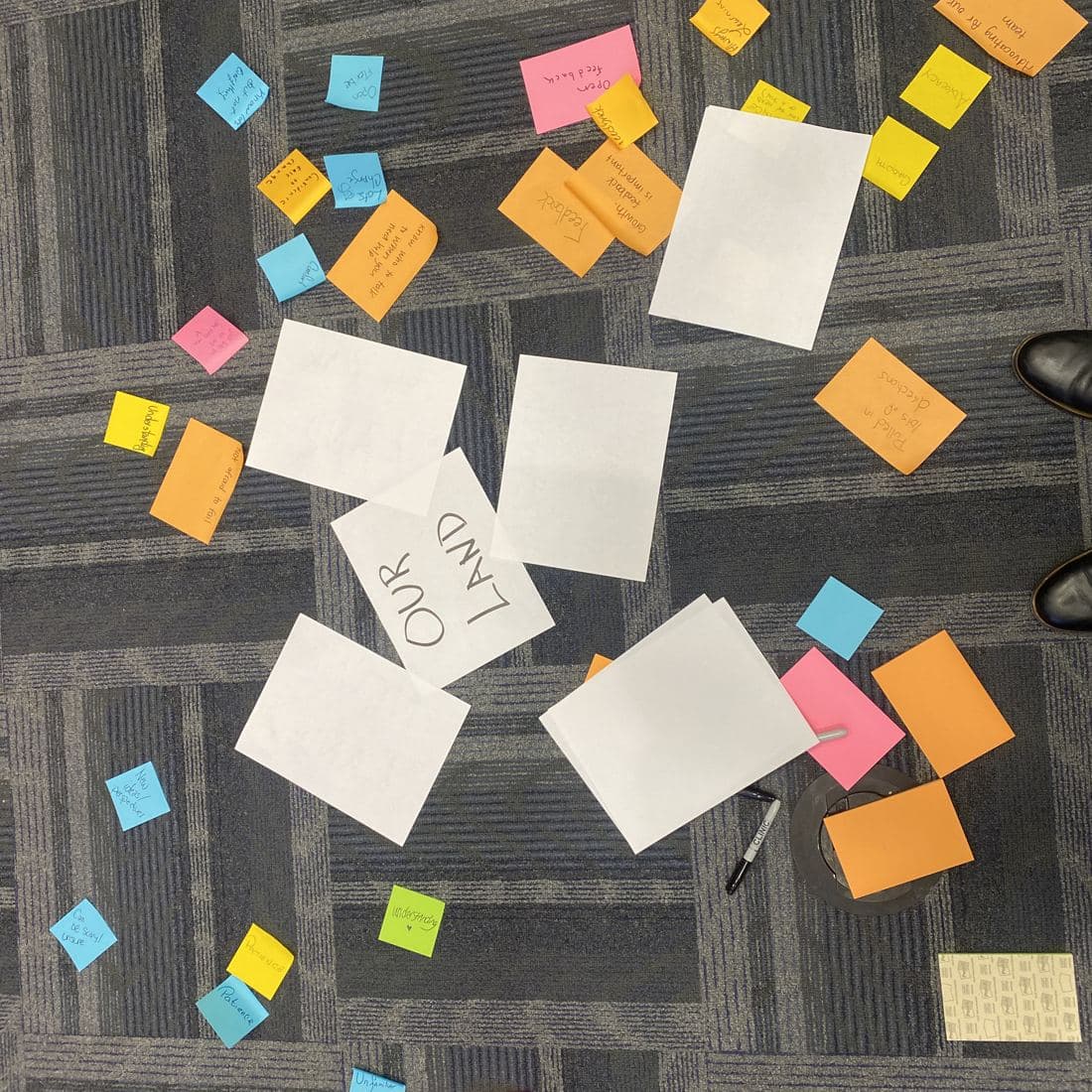
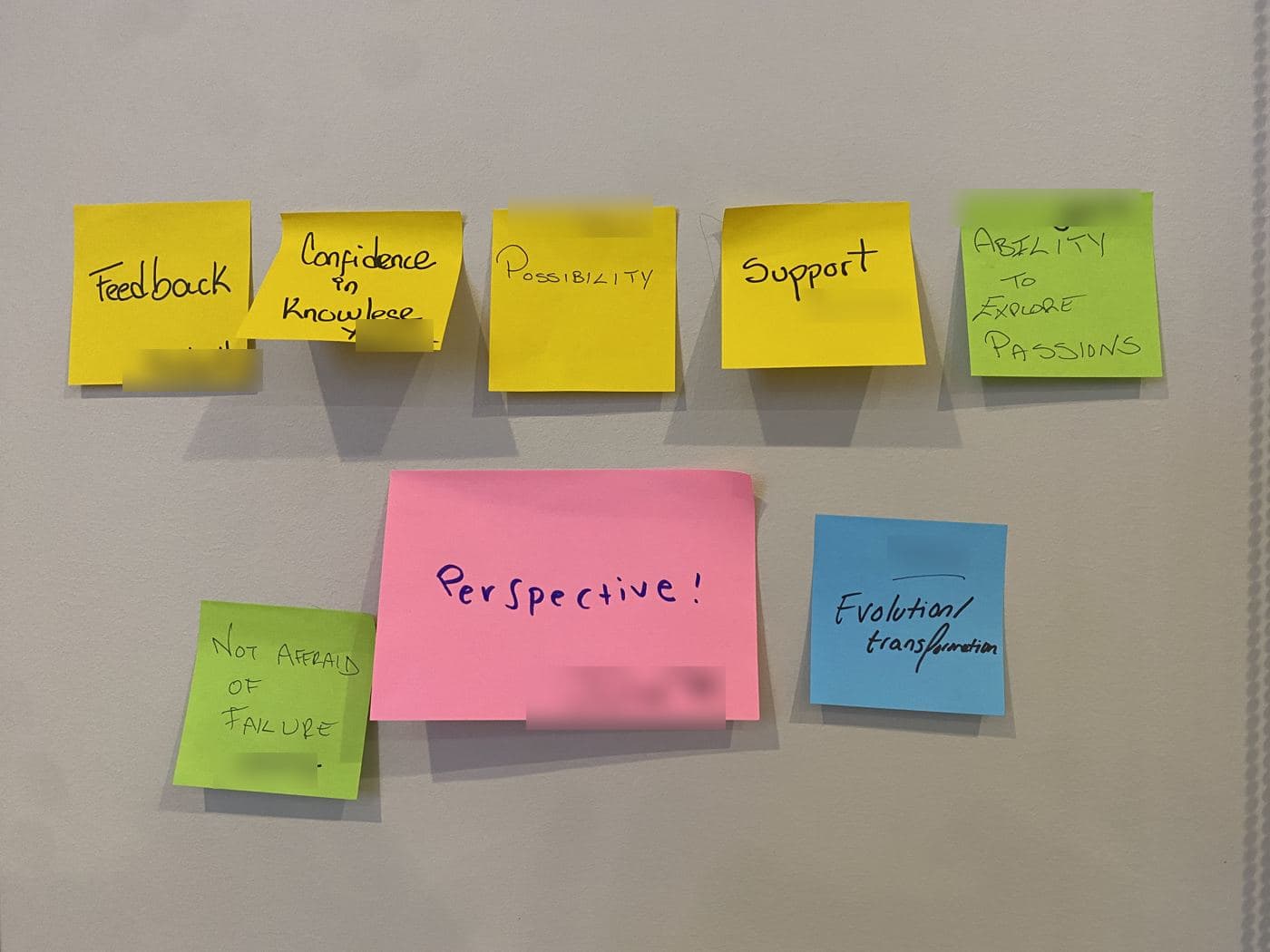
Sticky notes capture the values, perspectives, and interests worth remembering. Then we repeat for every land.
Step 8: Pull up the tape
The borders come up and the whole team stands in Our Land. What is different here? What is possible from here?
The questions
Postcards from each land
Greetings from your land
- What do you love about your land?
- What are you passionate about here?
- What is difficult in your land?
- What do you want members of the other lands to know?
Asked of the residents
To: everyone visiting
Wish you were here
- How does it feel to live here?
- What are you passionate about here?
- What are the challenges and pressures?
- What help or support do you need from the other lands?
Asked of the visitors
To: the people who live here
Back home
- What was it like to hear others talk about your land?
- What did they get right?
- Was anything missed?
Asked when the residents return
To: the residents
Travel photos
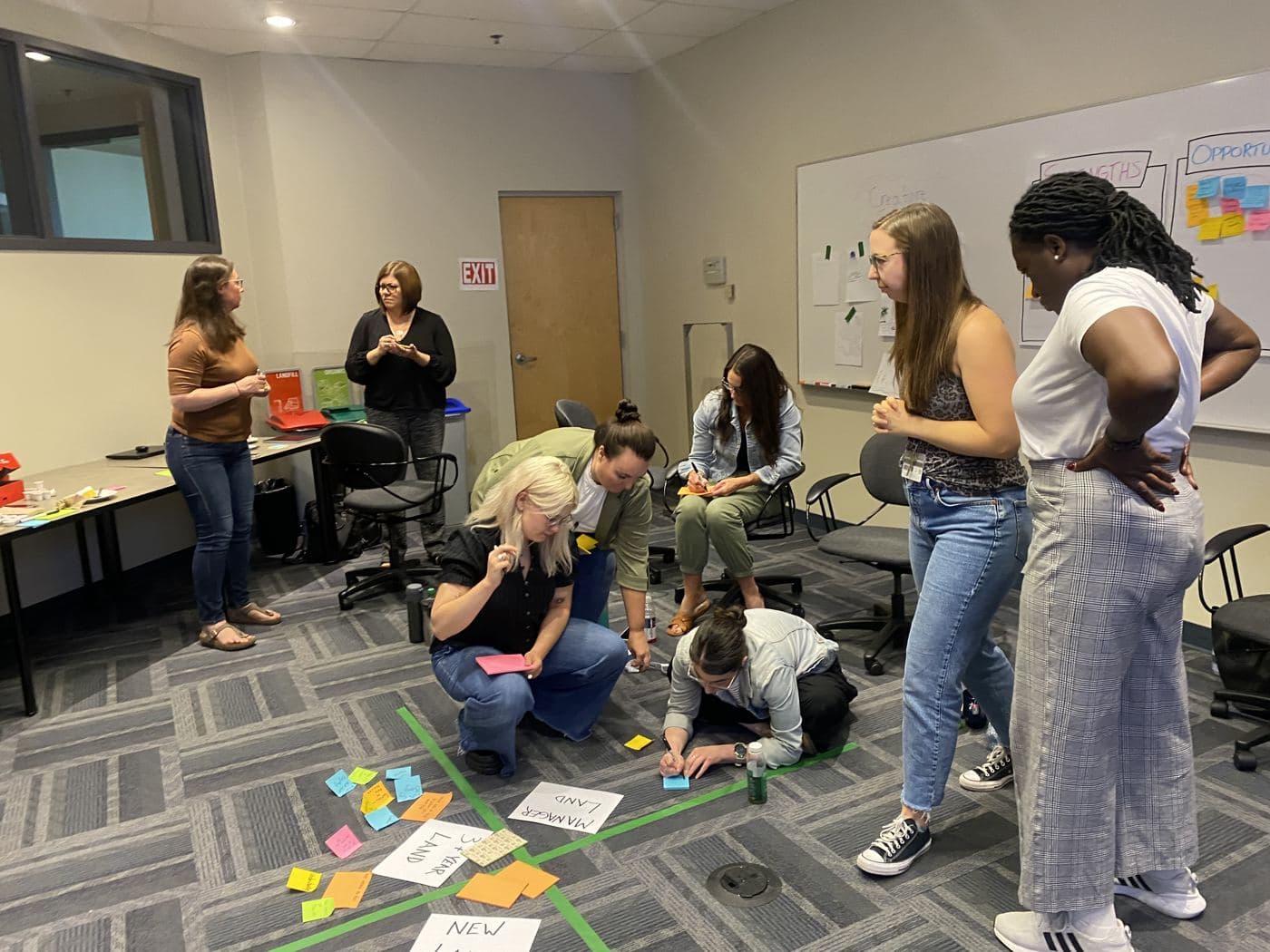
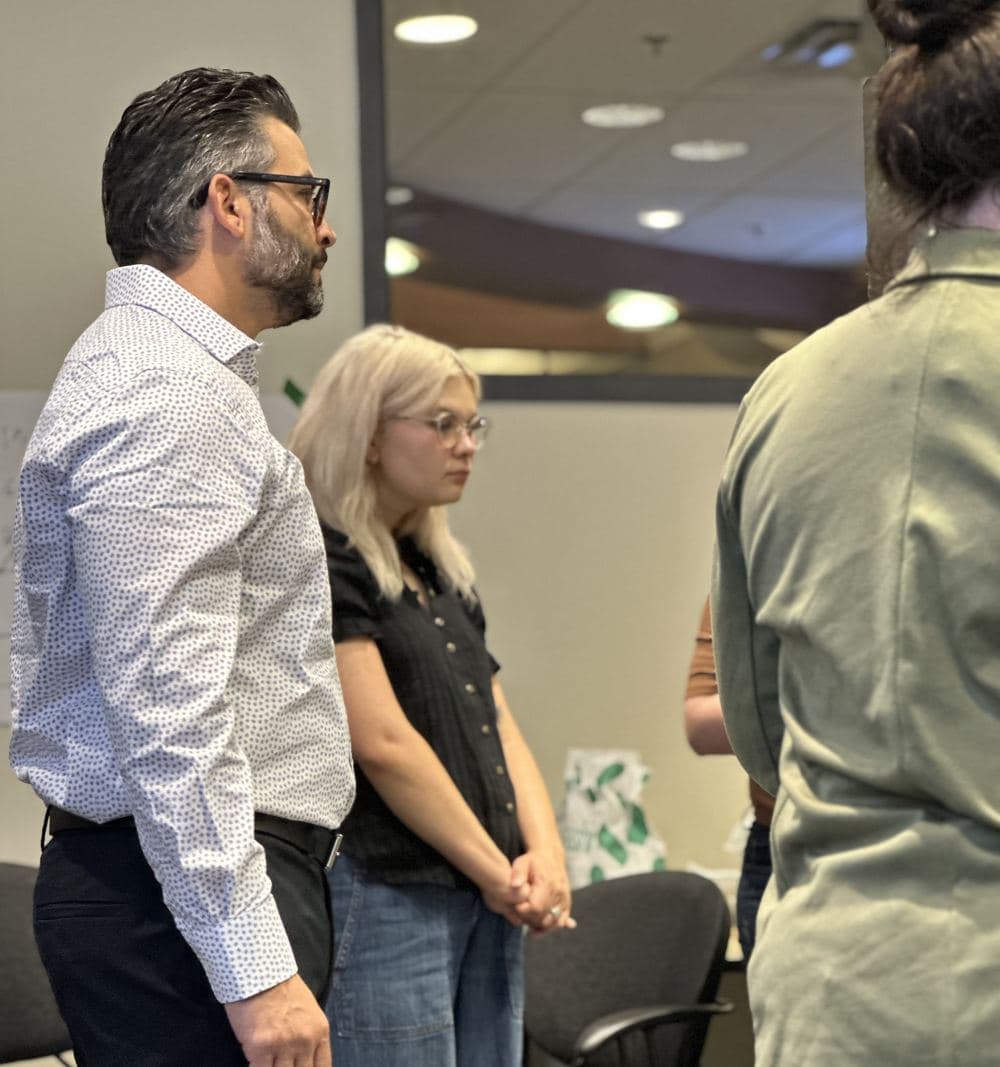
A trip with a university wellness team
The last stop
Then the borders come up
Once every land has had visitors, we pull up the tape and label the new space Our Land. The whole team stands in it together.
- What’s it like to be in Our Land?
- How are things different?
- What’s possible from here?
Bring one home
Every traveler takes a souvenir
Before leaving Our Land, each person picks up one sticky note from a land other than their own: a perspective that will matter for the team’s success. They wear it on a name tag and champion that perspective for the rest of the session, then add it, with their name, to the team’s working agreements.
Why it works
It builds the bottom of the pyramid
In Patrick Lencioni’s five dysfunctions of a team, trust is the foundation everything else rests on. Lands Work strengthens that layer directly: once people understand where each other is coming from, trusting one another gets much easier. With the wellness team, it came right after a session on the five dysfunctions.
Where it’s been
A team after a hard stretch
A university wellness team was working through leadership changes, burnout, and the long tail of the pandemic, with people at very different stages of tenure. Lands Work gave the longest-serving staff, the newest team members, and their manager each a land, and a chance to visit the others. The day ended with every person championing a perspective from another land.
Read the case study- Contributed to improving team dynamics
- 91%
- Created strategies to improve team performance
- 91%
Before you book
Travel conditions
Clear skies
- People with different tenure, roles, or teams see the same situation very differently
- Ideas get shut down, and nobody is quite sure why
- A team is recovering from a leadership change, a merger, or a hard stretch
- You want everyone to feel heard before you set goals or working agreements
Travel advisories
- A complaint of harassment or misconduct needs a formal process, not a workshop
- The team has no working agreements yet and trust is very low. Start there first
- People are expected to defend a decision rather than share their experience
Questions we often hear
How long does Organizational Lands Work take?
Usually one to three hours, including the setup and Our Land at the end. More lands take longer, because every land gets its own round of residents and visitors.
How many lands should we have?
Usually three to six. Enough that the important perspectives each get a land, and few enough that every land gets a real visit.
What if a land has only one person, like the manager?
That’s common, and it works. A manager often stands alone in their land. What matters is that the visitors take the trip seriously, and that the resident always gets the last word on what the visitors got right and what they missed.
Is it role-play?
Partly. Visitors speak as if they live in another land, which is what builds empathy. But nobody is acting a character, and the people who actually live in the land correct the record at the end.
What do we need in the room?
Open floor space, painter’s tape, a card for each land, sticky notes, and markers. We bring the materials.
Where does the method come from?
It comes from Organization and Relationship Systems Coaching (ORSC), a toolkit for improving how relationships work across a team or organization. Our facilitators hold the ORSCC credential.
Ready to visit each other’s lands?
Tell us about your team and the perspectives in it. We’ll help you choose the lands and design the trip.
Book a discovery call